Nodding Syndrome

The River Aswa
This is an area where the Nodding Syndrome is particulary common
Introduction
The serene banks of River Aswa, which meander through the heart of Northern Uganda, have long been a source of life and livelihood for the communities residing along its shores. However, these same waters have borne witness to a mysterious and devastating affliction: Nodding Syndrome.
The Enigma of Nodding Syndrome
First observed in the early 2000s, Nodding Syndrome is a rare and debilitating neurological disorder that primarily affects children aged 5 to 15. Characterized by episodes of head nodding, seizures, stunted growth, and cognitive impairments, the condition has left thousands of families in the Acholi and Lango sub-regions grappling with its profound impact.
The exact origin of Nodding Syndrome remains elusive. Over the years, various theories have emerged:
● War Legacy: Some locals believe the disorder is a consequence of the prolonged Lord’s Resistance Army insurgency, during which heavy weaponry use and violent conflicts may have contributed to the onset of the disease.
● Spiritual Interpretations: In Acholi culture, rivers are often viewed as sacred, and disturbances to these waters—such as encroachment or neglect—are thought to provoke ancestral spirits. Consequently, some communities associate the syndrome with spiritual retribution.
● Environmental Factors: The presence of black flies, which transmit the parasitic worm Onchocerca volvulus causing river blindness, has been linked to the syndrome. Studies have shown a correlation between areas infested with these flies and higher incidences of Nodding Syndrome .
● Nutritional Concerns: During the years of displacement in Internally Displaced Persons (IDP) camps, communities were dependent on food aid, leading to suspicions that contaminated or inadequate nutrition might have played a role in the disease's emergence.
Despite extensive research, a definitive cause remains unidentified. The clustering of cases along the River Aswa's banks—spanning districts such as Lira, Pader, Omoro, Gulu, Kitgum, Lamwo, and Amuru—suggests a complex interplay of environmental, cultural, and possibly infectious factors .
The Human Toll
The ramifications of Nodding Syndrome extend beyond the physical symptoms. Affected children often face social stigma, isolation, and discrimination. Families bear the emotional and financial burdens of caregiving, leading to increased poverty, food insecurity, and community disintegration.
Our Commitment
At Neurxtend Foundation, we are dedicated to understanding and addressing the challenges posed by Nodding Syndrome. Through comprehensive research, community engagement, and advocacy, we aim to:
● Raise awareness about the disorder and its impacts.
● Support affected families with medical, nutritional, and psychological assistance.
● Collaborate with local and international partners to fund and conduct rigorous scientific studies.
● Advocate for policy changes that prioritize the health and well-being of affected communities.
Video can’t be displayed
Nodding Syndrome Today
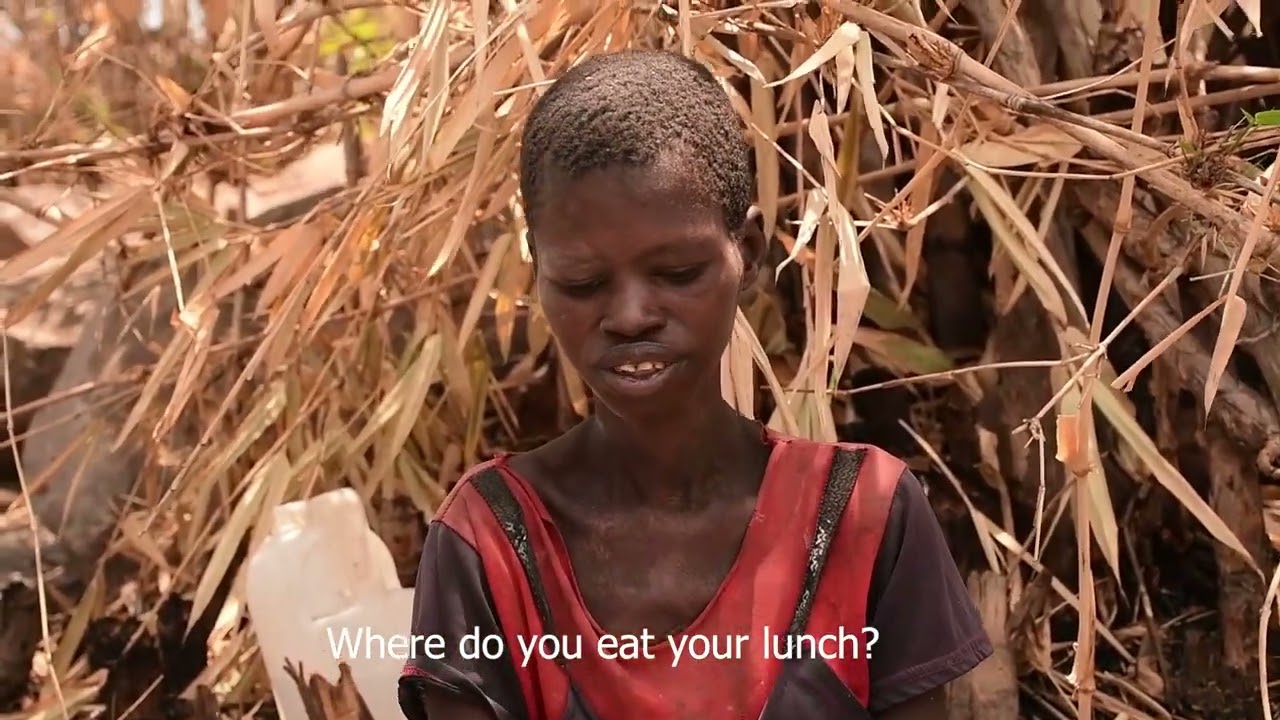
This video illustrates the current status of the nodding syndrome in Uganda.
Brief Review of the Scientific Literature
The first report using the term nodding syndrome in the scientific literature was by Lacey in 2003 [1] who indicated that physicians had been reporting a neurodegenerative syndrome in children in South Sudan characterized prominent head nodding in response to food, seizures, and developmental delay. Prior to this however, Gajdusek and colleagues [2] in 1983 did note that in the Gbawein and Wroughbarh Clan region of Liberia out of 4436 individual there were 123 cases of epilepsy that were associated with psychological changes, intellectual deficits was well as burns and extrapyramidal signs which might also include individuals with what is now termed the nodding syndrome.
Under Construction